 Literess
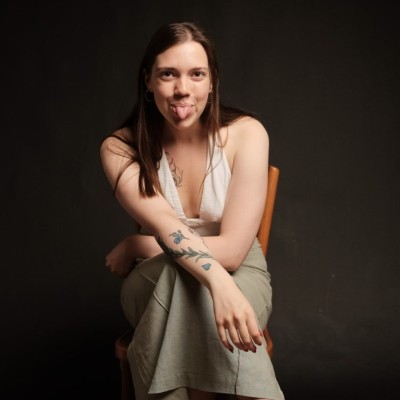
Mariia Ivakhnenko
Co-founder, Literess
Co-founder of Literess and of its sister product, Transept. Three degrees in English Language and Literature (Kyiv, Ostrava, and a year in Salzburg), and a Ukrainian native who lives most of her writing life in English. Came into AI as a prompt engineer, then product and lifecycle marketing. She writes semi-fictional stories about real people.
Articles
We gave Literess, Claude, ChatGPT and Gemini the same chapter. Who read it closely?
Two chapters of a novel in progress, the same four beta-reader questions, four AI readers. The chapters held three continuity slips. Here is who found them, and how.
Is it ethical to use AI to write a novel?
What Amazon KDP, the Authors Guild and the US Copyright Office accept, what they ask you to disclose, and where common uses of AI land.
What is a story bible, and how do you keep one?
Where the story bible comes from, what goes in one, a template you can copy, the tools writers keep them in, and how to keep one current while you draft.
How long should a chapter be?
Usual chapter lengths by genre, what published novels average, how long first chapters run and how long a chapter takes to read, with sources.
How do you catch continuity errors in a long manuscript?
The kinds of continuity error copyeditors find in novels, the style sheet and timeline they keep to catch them, and how to run the same checks on your own book.
Can publishers or contests tell if you used AI?
AI detectors miss AI-written text and flag text people wrote, so publishers, platforms and contests rely on what you declare. What the research shows and what each one asks.
The best AI tools for novelists, honestly compared
Sudowrite, NovelAI, Novelcrafter, ProWritingAid, ChatGPT and Literess: what each is built for, what it costs and what it does with your writing, from each vendor’s own pages.
How do you get AI feedback without letting it write for you?
What an AI reader can tell you about a draft, what it can’t, how to ask so you get notes instead of a rewrite, and which tools are built that way.