 Literess
I planted 10 continuity errors in my novel. Which AI reader found them?
A 27,500-word draft, ten contradictions we wrote into it, five AI readers. Literess and Claude found all ten, ChatGPT six, Gemini four. Then we asked what each one remembered in a new chat.
 Mariia Ivakhnenko10 min read
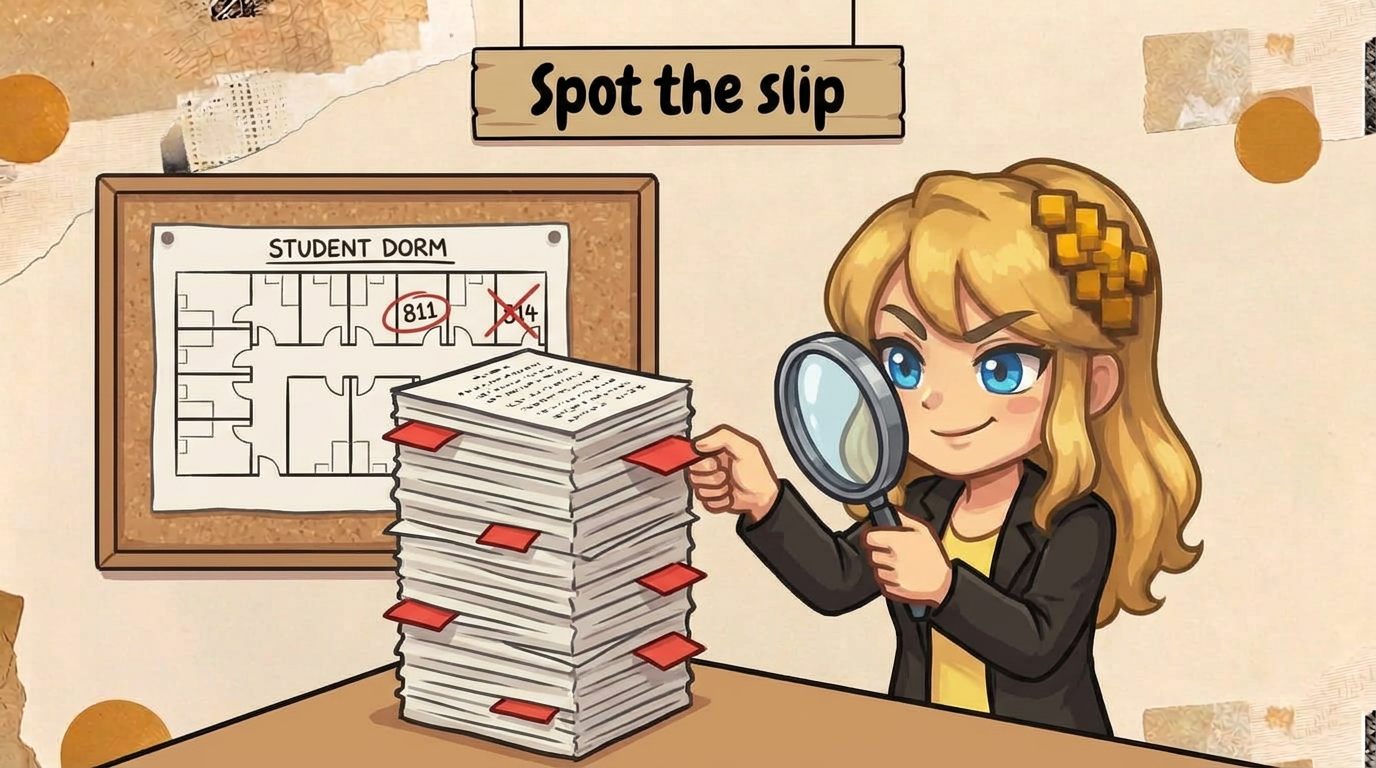
I took the first draft of my novel, 27,500 words, and wrote ten small contradictions into it: a room number that changes, a character who grows a foot, a city that moves. Then I gave the whole draft to five AI readers and asked each one the same question. Literess, on Standard and on Pro, and the Claude app found all ten. Free ChatGPT found six, one of them only as a “possible” issue. The Gemini app found four.
Four of the five also found a slip I hadn’t planted, one that was already in my draft.
What did we test?
The text is the draft of a contemporary novel I’m writing about exchange students in the Czech Republic, in English, in 16 chapters. We kept a clean copy and added ten sentences to a test copy. Each one contradicts a fact the book set up between 4 and 12 chapters earlier. We ran the test on 25 November 2026.
| Reader | How the book got in | Plan | Model |
|---|---|---|---|
| Literess | Imported as a document, a new chat about it | Standard, the model every Free account runs on | Gemini 4 Hydrogen |
| Literess | The same, in a separate project | Pro | Gemini 4 Neon |
| ChatGPT (chatgpt.com) | The file attached to a new chat | Free | The default; the app doesn’t name it |
| Claude (claude.ai) | The file attached to a new chat | Paid team plan | Opus 5.5, medium effort |
| Gemini (gemini.google.com) | The file attached to a new chat | Paid Workspace account | Neon |
The two Literess runs sat in separate projects, so her notes from one couldn’t help the other.
What did we ask?
The same words in every reader. For Literess the first sentence said “The open document is my novel manuscript” instead of pointing at an attachment.
- This is my novel manuscript. Read all of it as a careful beta reader. Is there anything that contradicts something earlier in the book: a detail about a character, a place, a date, a number or an event that doesn’t match what the book said before? List every one you find, quote the exact lines on both sides, and say which chapter each is in. Please don’t rewrite my text.
- Ten short questions about details from the first four chapters, such as what time a knock on the door came and what one character borrowed from another. If you aren’t sure, say so instead of guessing.
Which slips did we plant?

Every planted line is a sentence we wrote for the test, so quoting it gives nothing of the story away.
| # | What changes | The planted line | Chapters after the fact |
|---|---|---|---|
| 1 | What a character studies | “He had skipped his constitutional law seminar for this” (he studies business) | 4 |
| 2 | Which of two friends is shorter | “Mariana, the shorter of the two Portuguese girls” (it was the other one) | 4 |
| 3 | Where the friends met a character | “Same as the night we met him at Stodolní” (they met at another bar) | 6 |
| 4 | A character’s age | “For a twenty-six-year-old” (he is almost 24) | 7 |
| 5 | When a roommate moved in | “back in mid-September” (she arrived on 1 September) | 9 |
| 6 | A character’s height | “At almost six feet, Nazli had to bend down” (she is 153 cm) | 10 |
| 7 | A room number | “back to room 814” (it is 811) | 11 |
| 8 | Cities a character visited | “the trip he’d taken to Odesa and Kharkiv” (it was Lviv and Kyiv) | 9 |
| 9 | A character’s home city | “Maybe he’d flown home to Seville” (he is from Madrid) | 12 |
| 10 | An orchestra’s nationality | “the Austrian orchestra’s rehearsal” (it was German) | 11 |
Which reader found which slip?
| Slip | Literess, Standard | Literess, Pro | Claude | ChatGPT (free) | Gemini |
|---|---|---|---|---|---|
| 1. Studies | Found | Found | Found | Possible | Missed |
| 2. Shorter friend | Found | Found | Found | Found | Found |
| 3. Where they met | Found | Found | Found | Missed | Missed |
| 4. Age | Found | Found | Found | Found | Found |
| 5. Moving-in date | Found | Found | Found | Found | Missed |
| 6. Height | Found | Found | Found | Missed | Found |
| 7. Room number | Found | Found | Found | Found | Found |
| 8. Cities visited | Found | Found | Found | Missed | Missed |
| 9. Home city | Found | Found | Found | Missed | Missed |
| 10. Orchestra | Found | Found | Found | Found | Missed |
| Total | 10 | 10 | 10 | 6 (1 possible) | 4 |
| Points to the line | A link on each quote opens the passage | The same | Line numbers in the file | Line numbers in the file | Chapter names and quotes |
| False alarms | None | None | None | One weak one | None |
ChatGPT listed the studies slip among “possible issues”, saying a business student might take a law seminar as an elective. Its weak alarm was a weekday it worked out from a date two years earlier, from a line that only says “two years”. Gemini’s answer was the shortest, about 200 words.
Literess read the draft section by section; the chat shows each section as she reads it. On both models she also brought in lines we hadn’t asked about, such as a later chapter that says the friends sat “at the same table where they’d first met”, which settles where that was.
Did they find anything we hadn’t planted?
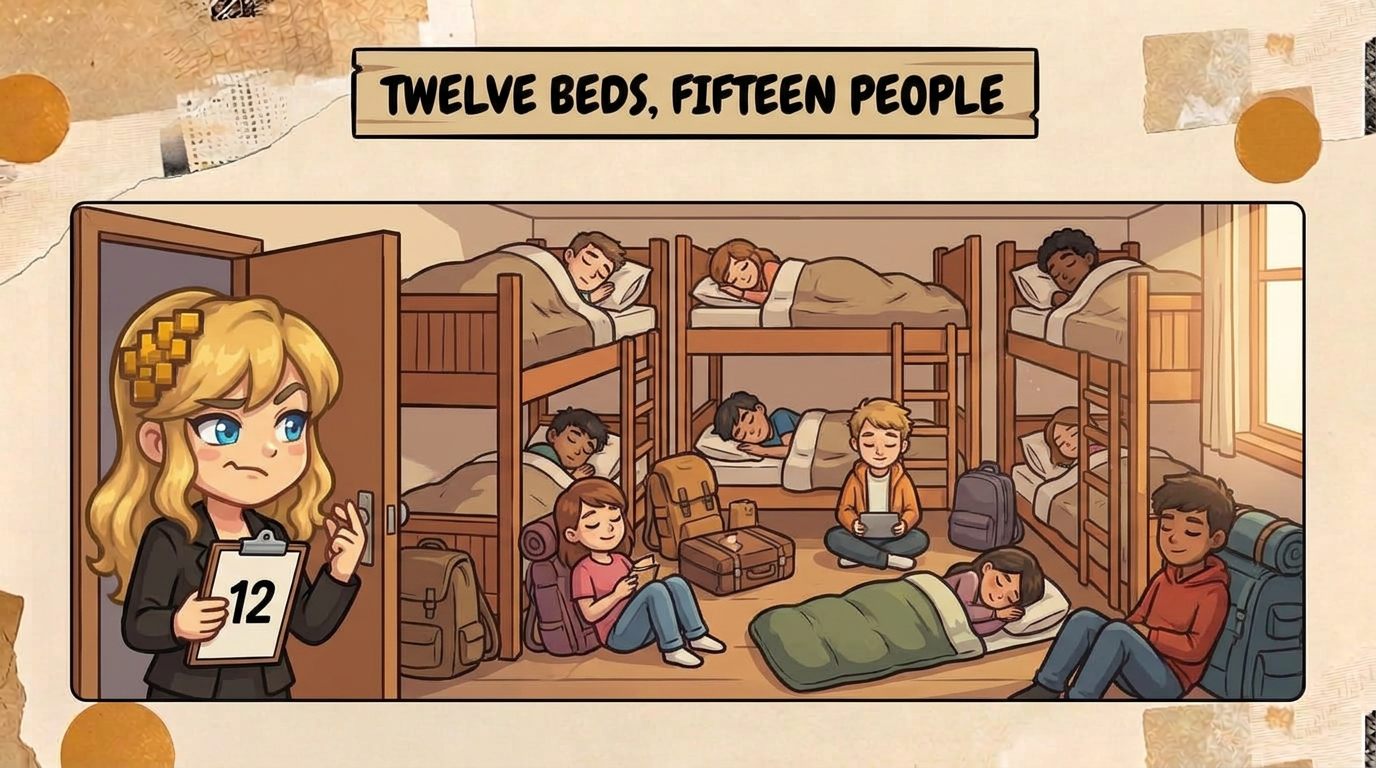
Yes. Four readers, Literess on both models, Claude and ChatGPT, noticed that a trip books twelve beds and a few lines later counts fifteen people. I wrote that, and I had never seen it.
Beyond that one, the readers went different ways:
- Claude found three more: the days of the first week don’t add up, one line says the friends had known a character for “less than three hours” when they had known him for days, and a taxi count is two short of the people in the scene. It also noticed that one of my planted lines sends two characters to bed in the middle of a scene that goes on with them in it.
- ChatGPT found the same first-week problem from another angle.
- Literess on Pro found a character who is at a gathering in one paragraph and missing from the final count in the next, without ever leaving.
- Gemini found nothing beyond the planted four.
Do they remember the opening in a new chat?
In the same conversation, all five answered all ten detail questions correctly.
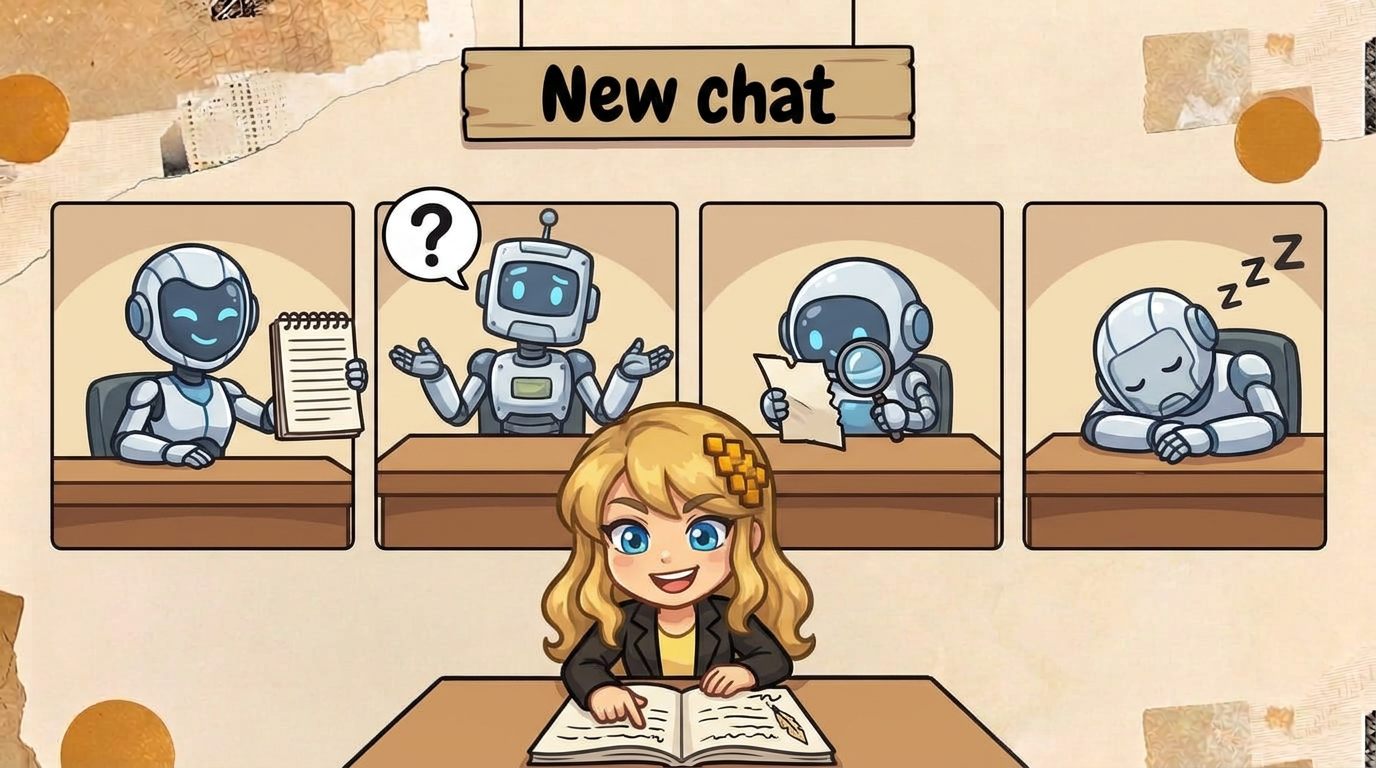
A writer doesn’t stay in one conversation, though. So we opened a new chat in each, attached nothing, and asked the same ten questions about “the manuscript I gave you in an earlier chat”.
| Reader | Right | Not sure | Wrong |
|---|---|---|---|
| Literess (Standard), new chat about the same document | 10 | 0 | 0 |
| ChatGPT (free), new chat | 10 | 0 | 0 |
| Gemini, new chat | 7 | 2 | 1 |
| Claude, new chat | 0 | 10 | 0 |
ChatGPT surprised me: its free plan answered from its memory of our earlier chat. Claude’s account had memory switched off, and it said so and answered nothing, which is the honest answer when you don’t know. Gemini got seven, said it wasn’t sure of two, and gave a wrong answer for the last one. Literess had the book in front of her, because it lives in the app, and she checked two chapters before she answered.
What did it cost?
Literess counts work in credits. Reading the whole 27,500-word draft and answering the contradiction question used 2,950 credits on Standard and 5,636 on Pro. Free gives 10,000 credits a month, so one whole-book read like this one on Free uses about 30% of a month. The pricing page lists what each plan includes.
ChatGPT ran on its free plan. Claude and Gemini ran on paid accounts we already had, so the test cost nothing extra there.
What should you do if you use AI to check continuity?
- Give it the whole book at once. Every reader here worked from the complete draft. A chapter at a time would hide most of these slips, which sit four to twelve chapters from the fact they break.
- Ask for both sides of every contradiction, quoted. A reader that quotes both lines lets you check it in seconds. A reader that only names the problem leaves you searching.
- Ask a second reader. Readers with the same score still found different things beyond the planted ten.
- Keep the book where the reader can reopen it. In a new chat, the answers depended on memory settings you may not know you have.
What this test doesn’t show
It is one book, one genre and one run per reader, on one day. We wrote the ten slips ourselves, and a planted sentence can be easier to spot than a slip that grew out of a real revision. The plans weren’t equal: ChatGPT ran on its free plan, Claude and Gemini on paid ones, and paid ChatGPT might do better. The memory results depend on each account’s settings: Claude’s had memory off, and the others had the defaults their owners left on. And I wrote the book and helped build one of the readers, which is why the table quotes every planted line, so you can judge the results without taking my word.
An earlier test with two chapters is here.
Co-founder, Literess
Co-founder of Literess and of its sister product, Transept. Three degrees in English Language and Literature (Kyiv, Ostrava, and a year in Salzburg), and a Ukrainian native who lives most of her writing life in English. Came into AI as a prompt engineer, then product and lifecycle marketing. She writes semi-fictional stories about real people.